
About Rewardcedar
Precision taught, not performed.
Rewardcedar started from a straightforward observation: most manicure training either glosses over technique or buries students in theory with no practical anchor. Neither approach produces confident, work-ready technicians.
Every lesson here is built around what a technician actually needs to do on their first real client - not what looks impressive in a curriculum outline.

Where the curriculum came from
The course structure at Rewardcedar was developed by working backwards from the mistakes new technicians most commonly make in their first six months of practice. Grip pressure, cuticle boundary awareness, product timing - these are the gaps that classroom training rarely addresses directly, and they're the ones that separate a passable result from a clean one.
Lessons are short and sequenced deliberately. Each module ends with a practical checkpoint, not a quiz. Students are expected to demonstrate the skill before moving forward - which means progress is slower but the retention is real.
Generic training
Broad theory modules, long video lectures, and assessments that test memory rather than hand skill. Students finish knowing the vocabulary but unsure how to hold a file correctly.
Rewardcedar approach
Technique-first sequencing with visible instructor hands throughout. Each skill is isolated, demonstrated slowly, then placed in a realistic service context so the student understands when and why it applies.
-
01
Technique before terminology
Students learn the motion before they learn what it's called. This reduces cognitive load during the critical early stages when physical memory is forming.
-
02
Honest pacing
Nail work takes time to develop. The curriculum doesn't promise speed - it promises that by the end, the student can identify their own errors and correct them independently.
-
03
Remote-ready format
Every lesson was designed for a student working alone at a table somewhere in the world, with no instructor in the room. Camera angles, lighting, and instruction pacing all reflect that reality.

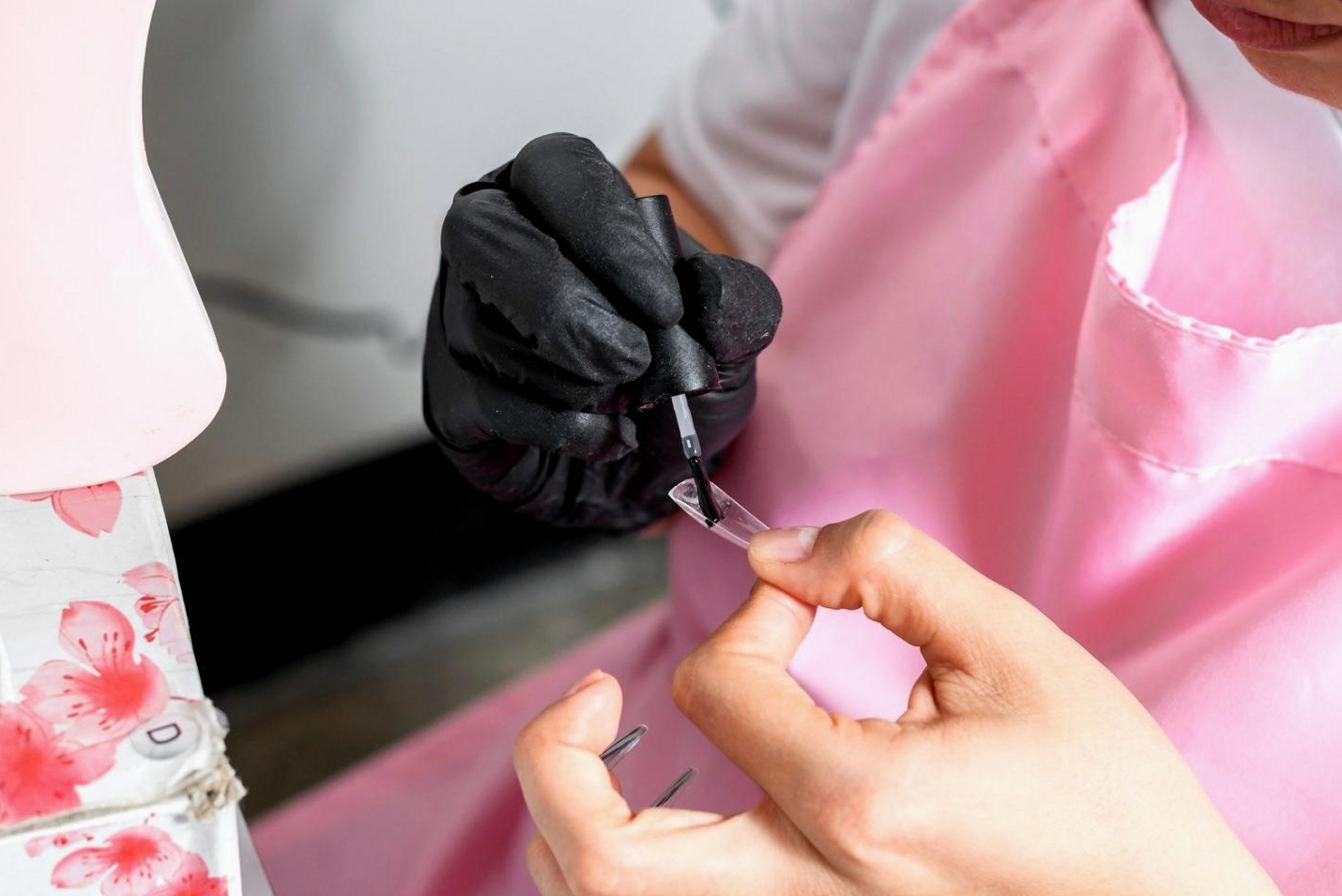
The instructors
Orla Fennimore leads the practical modules. She spent eleven years working in nail salons across three countries before moving into education - which means the examples she uses are drawn from real client situations, not hypotheticals. Dagny Sorrel handles curriculum structure and ensures each module builds logically on the previous one without gaps or redundant repetition.
Who studies here
Most students come to Rewardcedar with no prior training. A smaller group arrives with some experience but specific technique problems they want to address - shaky lines, uneven gel application, inconsistent cuticle work. Both groups find material that's relevant without being condescending or overly simplified.
Students enrolled
1,400+
Learners from 38 countries have completed at least one module since the platform launched. Most are working through the full programme at their own pace.

Orla Fennimore
Lead Instructor

Dagny Sorrel
Curriculum Designer
Practical Focus
Core Method

Advanced Modules
Finishing Skills
Modules in the programme
34
Each module covers a single, well-defined skill. Nothing is bundled together just to reduce the module count - if two skills need separate attention, they get separate modules.